source: reuters
The escalation of the Russian -Ukraine, and Israel-Gaza wars have profound health implications for the four nations and beyond their borders. This review of the impacts of the war, sectored on mental health, physical health, healthcare infrastructure, and broader public health concerns.
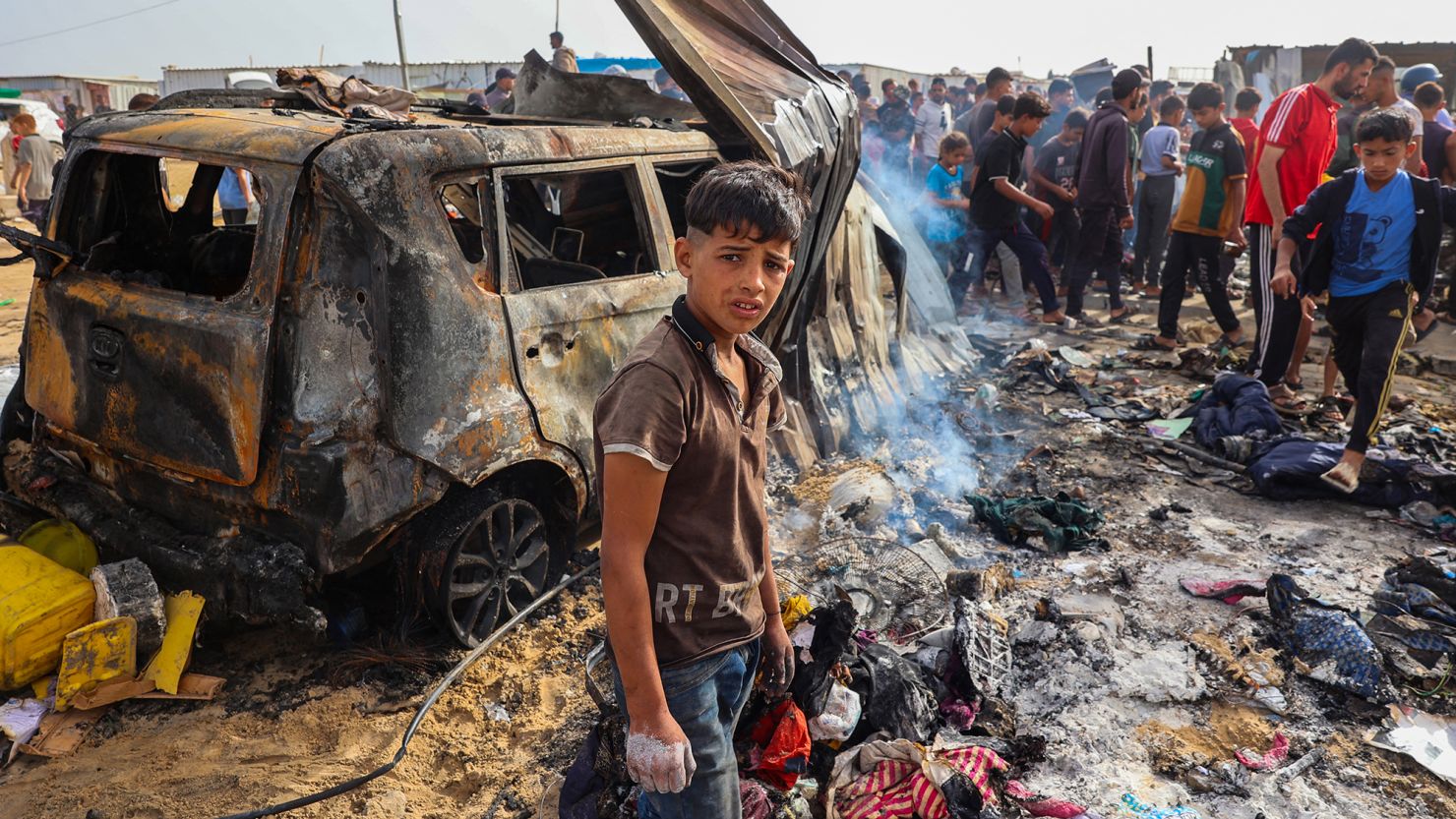
Loss of Life and Injuries: The tragic loss of life and significant injuries of thousands of civilians and combatants cannot be underestimated. The medical systems and infrastructure in these conflicted countries are overwhelmed especially in Gaza and Ukraine, struggling to provide necessary care for traumatic injuries.
Displacement and Refugee Health: Millions of Ukrainians and Gazans have been displaced internally or have sought refuge in neighboring countries leading to poor living conditions, lack of access to healthcare, and increased vulnerability to infectious diseases. Language barriers and cultural differences impedes refugees access to healthcare
Psychological Impact: The war has led to a significant increase in mental health issues, including PTSD, anxiety, and depression among both combatants and civilians. The trauma of conflict, loss of loved ones, and displacement create a pressing need for mental health services.
Intergenerational Impact: The psychological effects of this war will affect future generations, influencing social cohesion and community resilience.
Healthcare System Strain: The war has severely disrupted the healthcare systems, damaged and destroyed hospitals, clinics, and medical facilities, reducing access to care and complicating emergency responses; healthcare workers have been killed or displaced, and essential medical supplies are scarce. This deterioration exacerbates health outcomes for the victims of conflict regions, particularly those with chronic illnesses.
Access to Care: Blockades and conflict limit access to essential services, including vaccinations, maternal care, and chronic disease management.
Economic Consequences: The war has led to severe economic instability in Ukraine and Gaza, which negatively impacts health; loss of income, increased poverty, and reduced access to healthcare services contribute to poor health outcomes. Additionally, food security has been compromised, leading to malnutrition and related health issues.
Infectious Disease Risks: Unsanitary conditions in refugee camps and crowded shelters from displacement can lead to outbreaks of diseases, including respiratory infections and gastrointestinal illnesses
Nutrition and Food Security: Blockades and military actions can disrupt food supply chains, leading to malnutrition, especially among vulnerable populations like children and the elderly.
Chronic Conditions: The stress and trauma associated with conflict can lead to an increase in chronic health conditions, including cardiovascular diseases and diabetes.
Social Determinants of Health: Factors like poverty, education, and social stability are severely affected by conflict, which can perpetuate health disparities.
Global Health Implications: The regional conflict can have broader implications, including affecting health security and contributing to the spread of diseases across borders.
Health Responses
International Aid and Support: Global health organizations and governments have mobilized to provide humanitarian aid, medical supplies, and mental health support to those affected by the war. Army PAs and Volunteer PAs have contributed immensely to emergency response situations in Gaza, Israel and Ukraine. Ongoing support is critical to rebuilding Ukraine’s and Gaza’s healthcare system and addressing the needs of displaced populations.
Mental Health Services: Expanding access to mental health services is essential. This includes integrating mental health care into primary health services, providing training for healthcare providers, and increasing public awareness of mental health issues.
Preventive Health Measures: Strengthening vaccination and disease prevention programs is vital to counteract the risks of infectious disease outbreaks. Collaborating with international health organizations to ensure vaccines and essential medicines are available is crucial.
Conclusion
The Russia-Ukraine/ Israel-Gaza war has far-reaching consequences for health that extend beyond the battlefield. Addressing the immediate and long-term health impacts requires a pluralistic coordinated response from the international community, prioritizing mental health, healthcare infrastructure, and public health measures.
Supporting the health needs of affected populations is not only a humanitarian imperative but also essential for the stability and recovery of the region.
The Global Association of Clinical Officers and Physician Associates will accelerate the provision of humanitarian aids through donations; and supportive clinicians through its Global Extreme Medics (GEM) programme.